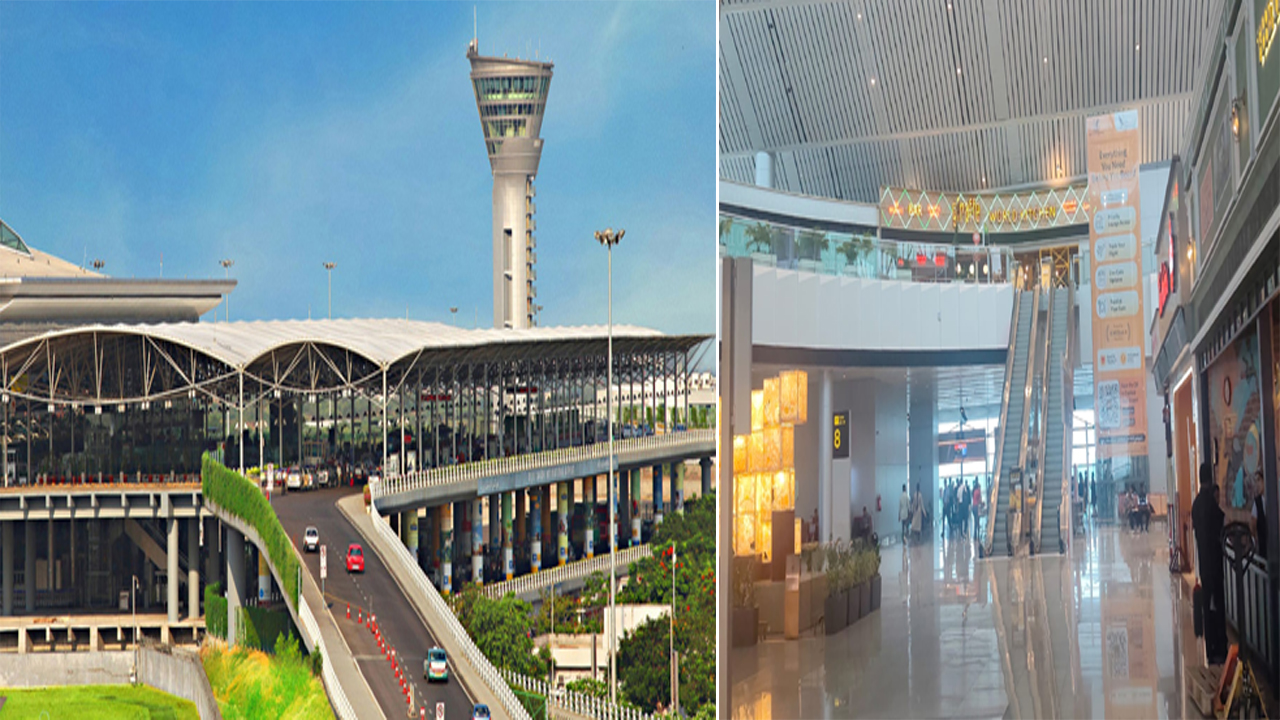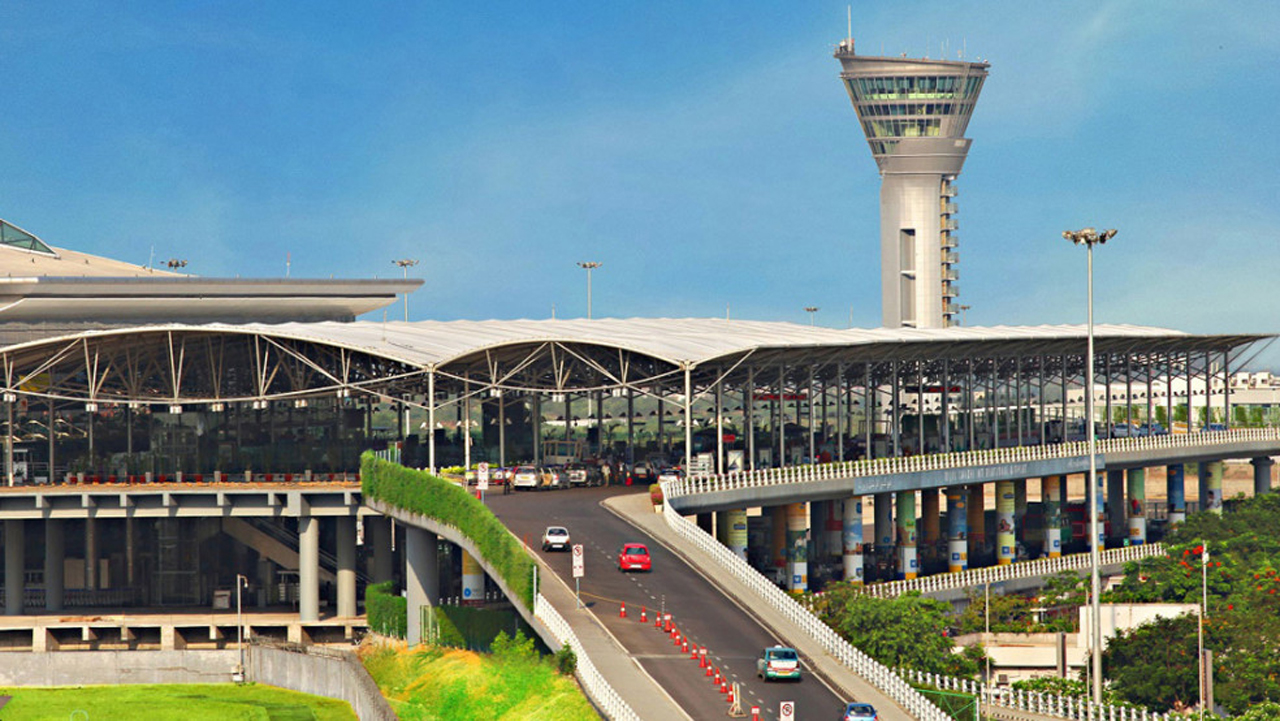
-The Shamshabad-based airport is no longer just a hub for air travel; it has become a major gateway for Telangana’s economy, pharma, IT, and logistics sectors.
Hyderabad. Begumpet Airport, which once catered to Hyderabad’s aviation needs, eventually proved inadequate in the face of the city’s rapid expansion and rising air traffic. This necessity paved the way for a new, modern greenfield airport, and in 2008, the Rajiv Gandhi International Airport (RGIA) at Shamshabad came into existence. Nearly two decades later, this airport has become a key part of Hyderabad’s identity and economy. Launched in 2008 with an annual capacity of approximately 12 million passengers, the airport now handles over 30 million passengers annually. Passenger numbers are projected to grow rapidly in the coming years. The airport’s master plan envisions scaling its capacity to over 100 million passengers per year in the long run.
A New Chapter Began in 2008
Rajiv Gandhi International Airport was developed under a public-private partnership model. It is operated by GMR Hyderabad International Airport Limited (GHIAL). The company’s shareholding structure comprises the GMR Group (74%), the Airports Authority of India (13%), and the Telangana government (13%). The airport was inaugurated on March 14, 2008. Initially, it had the capacity to handle around 12 million passengers. The airport was designed with future air traffic growth in mind; consequently, its original structure incorporated significant scope for future expansion.
Passenger Numbers Transform the Airport’s Profile
Hyderabad Airport has witnessed a steady rise in passenger numbers over the past few years. According to data available from AERA, approximately 12.4 million passengers passed through the airport in the 2021-22 fiscal year. Subsequently, this figure surged, reaching around 30.5 million passengers in the 2025-26 fiscal year. In other words, the passenger volume more than doubled in just a few years. The current design capacity is reported to be approximately 34 million passengers per annum. Given the current passenger numbers, expanding capacity has become a crucial issue for the airport’s future.
Projected passenger traffic exceeding 50 million by 2030-31
The scale of the rise in air passenger numbers is evident from traffic projections, which estimate that passenger volume could reach approximately 36.9 million in the 2026-27 fiscal year. By 2030-31, this figure is expected to rise to around 51.5 million. Consequently, the airport’s existing capacity is bound to face increasing strain in the coming years. With this in mind, plans are underway to expand both terminal and airside infrastructure.
4.26-kilometer runway capable of handling large aircraft
One of the key features of Rajiv Gandhi Airport is its long runway. The airport’s main runway measures approximately 4,260 meters in length. It ranks among the country’s longest runways and is suitable for the operation of large aircraft. The runway has been developed to accommodate large aircraft operations and handle the anticipated growth in future international air traffic. The airport’s master plan also envisions future expansion of airside infrastructure and runway facilities.
Integrated facilities for domestic and international travel
A distinctive feature of Hyderabad Airport is its integrated passenger terminal. The airport complex is organized so that domestic and international passengers do not need to travel between separate terminal buildings. International departures have also been shifted to the main terminal. This has streamlined passenger movement and made the process more convenient for passengers with domestic-to-international connecting flights.
Expanding international network alongside domestic connectivity
Hyderabad Airport operates flights connecting to major cities across the country as well as numerous international destinations. As Hyderabad’s significance in the IT, pharmaceutical, business, and tourism sectors has grown, the role of international air connectivity has become increasingly vital. The airport’s domestic network connects it to numerous major cities, including Delhi, Mumbai, Bengaluru, Chennai, Kolkata, Ahmedabad, and Pune. Internationally, it offers connectivity to the Middle East, Southeast Asia, and other key aviation markets.
A Major Hub for the Pharmaceutical Industry
Hyderabad is recognized as one of the country’s leading pharmaceutical and life sciences hubs. This directly benefits the cargo operations at Rajiv Gandhi Airport. The airport features specialized pharma cargo facilities designed for products such as temperature-controlled medicines and vaccines. Cold-chain logistics systems are in place to ensure the safe transport of sensitive pharmaceuticals to domestic and international destinations while maintaining required temperatures. Beyond pharmaceuticals, the air cargo operations handle perishable food items, fruits and vegetables, marine products, poultry, seeds, and express cargo.
Launch of the New Cargo Terminal-2
Cargo Terminal-2 was launched to enhance the airport’s cargo handling capacity. Developed over an area of approximately 16,864 square meters, the terminal has an initial annual capacity of around 50,000 metric tonnes. It has been designed with the potential to scale up this capacity to approximately 100,000 metric tonnes per year in the future.